







⛈️ Overview and regulatory issues for storm overflows in the Lake Geneva basin and downstream Rhône region
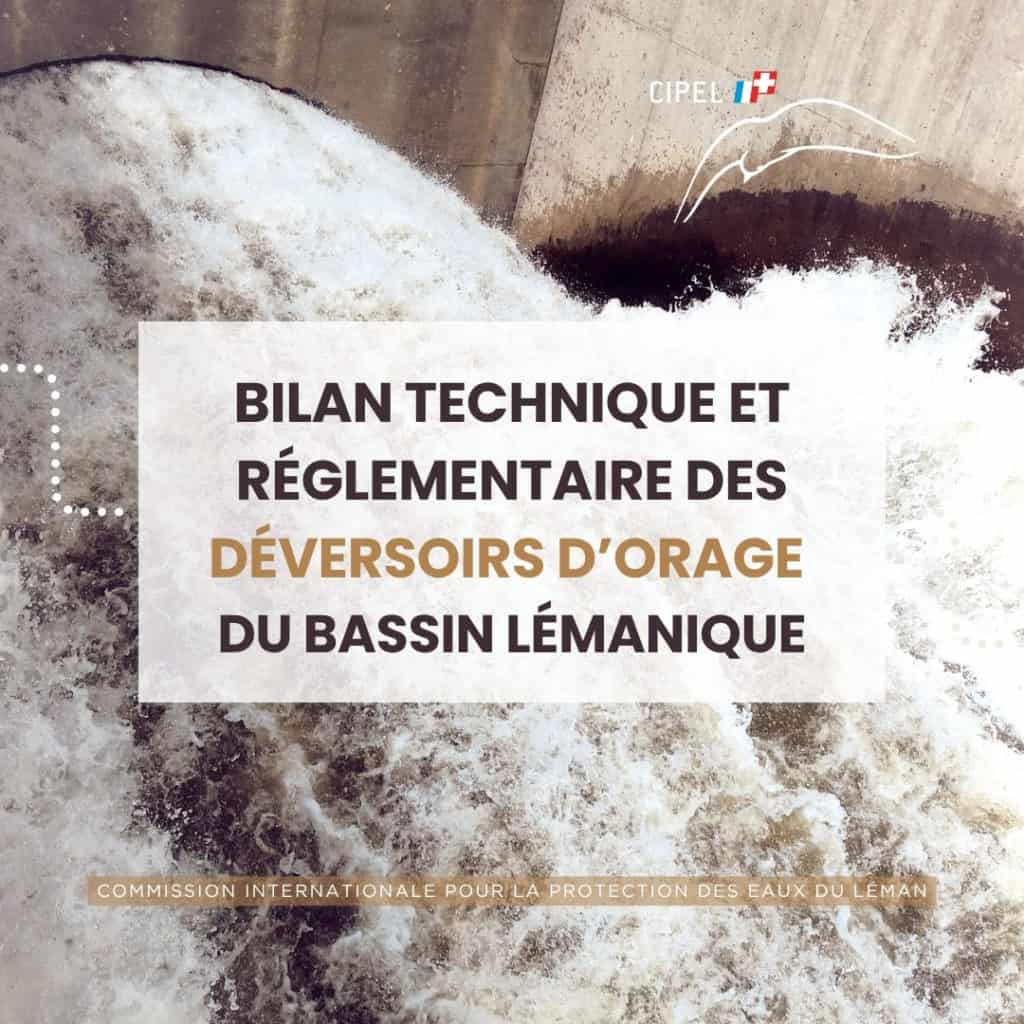
The quality of treated water in the Lake Geneva basin has improved, but during heavy rainfall, large volumes of untreated wastewater can still be discharged into the natural environment via storm overflows to relieve congestion in networks and treatment plants.
Between 2024 and 2025, the International Commission for the Protection of the Waters of Lake Geneva (CIPEL) has carried out a survey to locate 350 storm overflows (SO) with a capacity of over 2,000 population equivalent (p.e.), connected to 45 major wastewater treatment plants with a capacity of over 10,000 p.e., in the Lake Geneva catchment area and the downstream Swiss Rhone.
The results show a slight increase in the number of stormwater overflows equipped with monitoring systems, particularly in France, where regulations are stricter. In Switzerland, however, monitoring is still low, with only 58% of large-capacity ODs (>10,000 p.e.) equipped, as opposed to 100% in France. This difference can be explained by the two countries' different legislative frameworks.
CIPEL stresses the need for cross-border harmonization of practices and recommendations to limit these discharges of untreated wastewater, in order to preserve water quality and aquatic ecosystems..
Optimized management of the wastewater network, combined with innovative solutions such as the "sponge city" to reduce runoff, is essential.
This work illustrates the progress made, but also reminds us of the importance of a reinforced and coordinated effort, particularly on the Swiss side, to meet the 2019 CIPEL recommendation and reduce wastewater discharges into the environment.
Read the full article published in Aqua & Gas magazine here:
👉 Click to access the article(in PDF format)
Link to the online version on the Aqua & Gas website: Click here

